
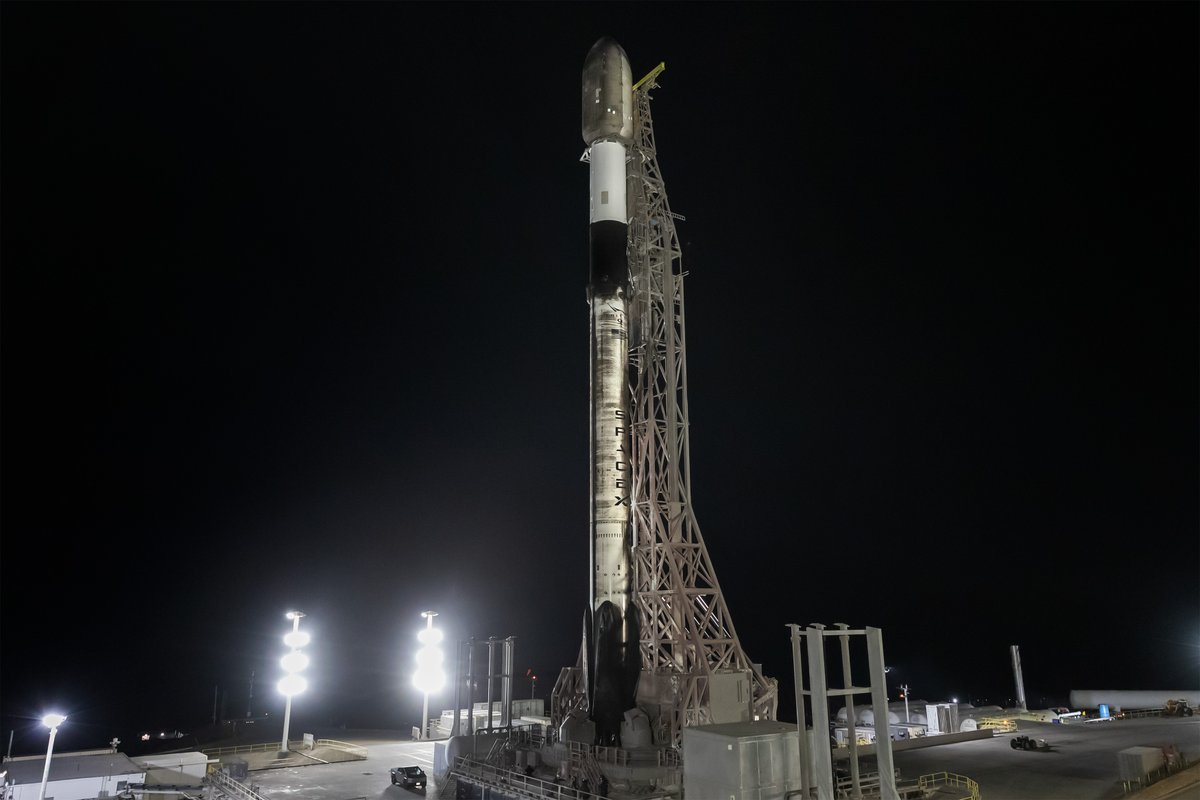
Spaceflight Now reports SpaceX confirmed it was on track to launch USSF-385 from Vandenberg Space Force Base at 7 a.m. PDT on September 26.
Nature describes a gene-tagging technique that uses chemical tags to shut down viral DNA lurking in a host’s genome.
Nature reports that DNA outside chromosomes, known as ecDNA, relies on a repair pathway called MMEJ for stability. The research focuses on breaks at fragile TA-rich sites.
Science News reports that Incendiamoeba cascadensis has set a heat-tolerance record for eukaryotes, the domain of life that includes plants and animals.
Nature reports that the device can image materials at temperatures that low for 30 hours or more.
Space.com reports that the mission also aims to deploy a group of new Starlink satellites, if everything goes according to plan.
Scientific American reports that researchers aim to better identify these rare cases and fine-tune treatments.
LiveScience reports that the tomb was found in a 2,700-year-old Etruscan cemetery and contained a vast assortment of grave goods.

NIH says researchers using 20 years of Veterans Affairs data found fewer disease-related ER visits, hospitalizations and steroid prescriptions among people with inflammatory bowel disease (IBD) who took vitamin D supplements.

A user challenges climate change deniers to acknowledge scientists’ conclusions, asking: “Seriously, what will it take?”
Phys.org reports that separated joints made with the glue can be reactivated several times by heating to around 90°C.
New Scientist reports on advice about mindful eating, enjoying exercise and getting good-quality sleep as an approach to treating depression.

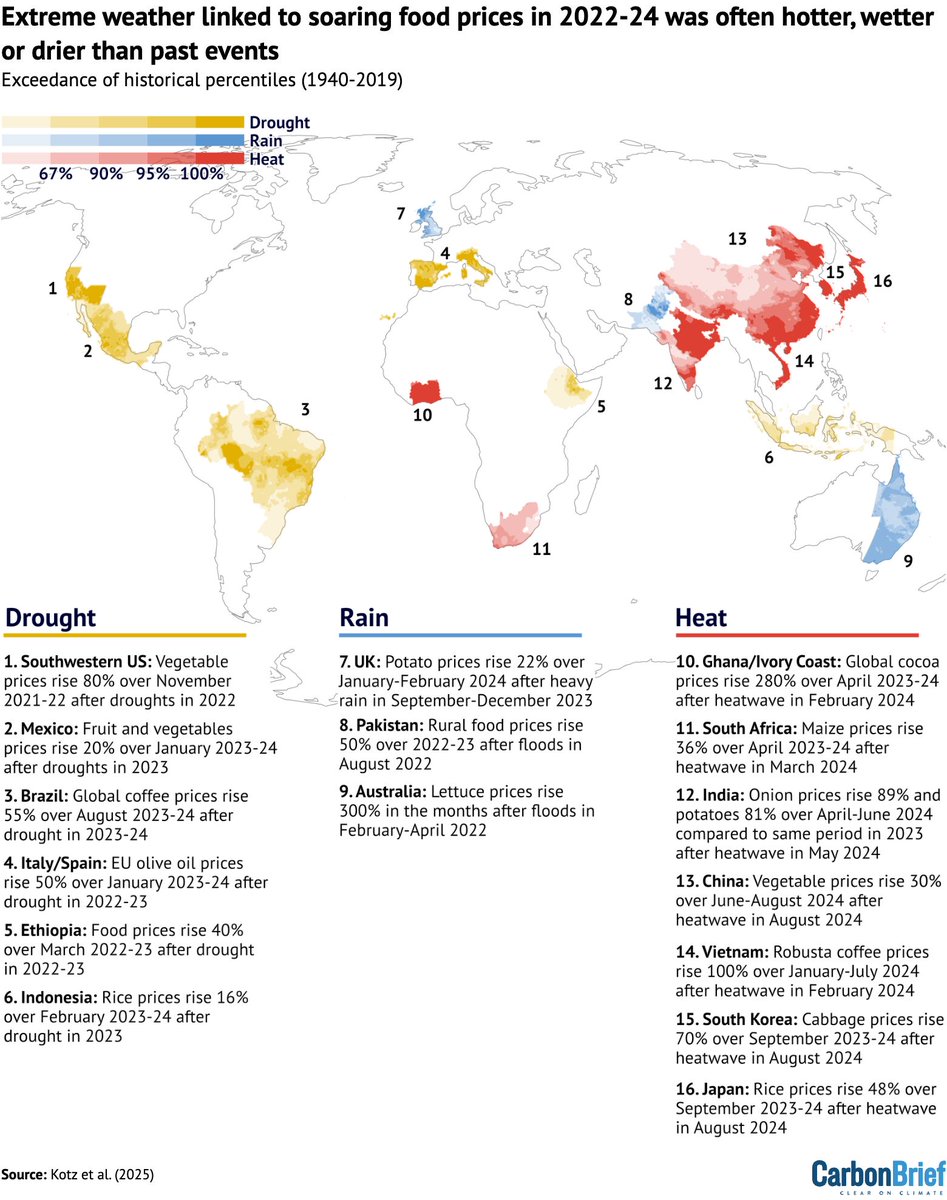
Carbon Brief reports that UK potatoes, South Korean cabbage and west African cocoa became markedly more expensive after extreme weather events.
Phys.org reports a 13-year margin of error across nearly 2,000 years, using Vesuvius’s 79 CE eruption as an anchor—though the eruption’s historical date carries some uncertainty.
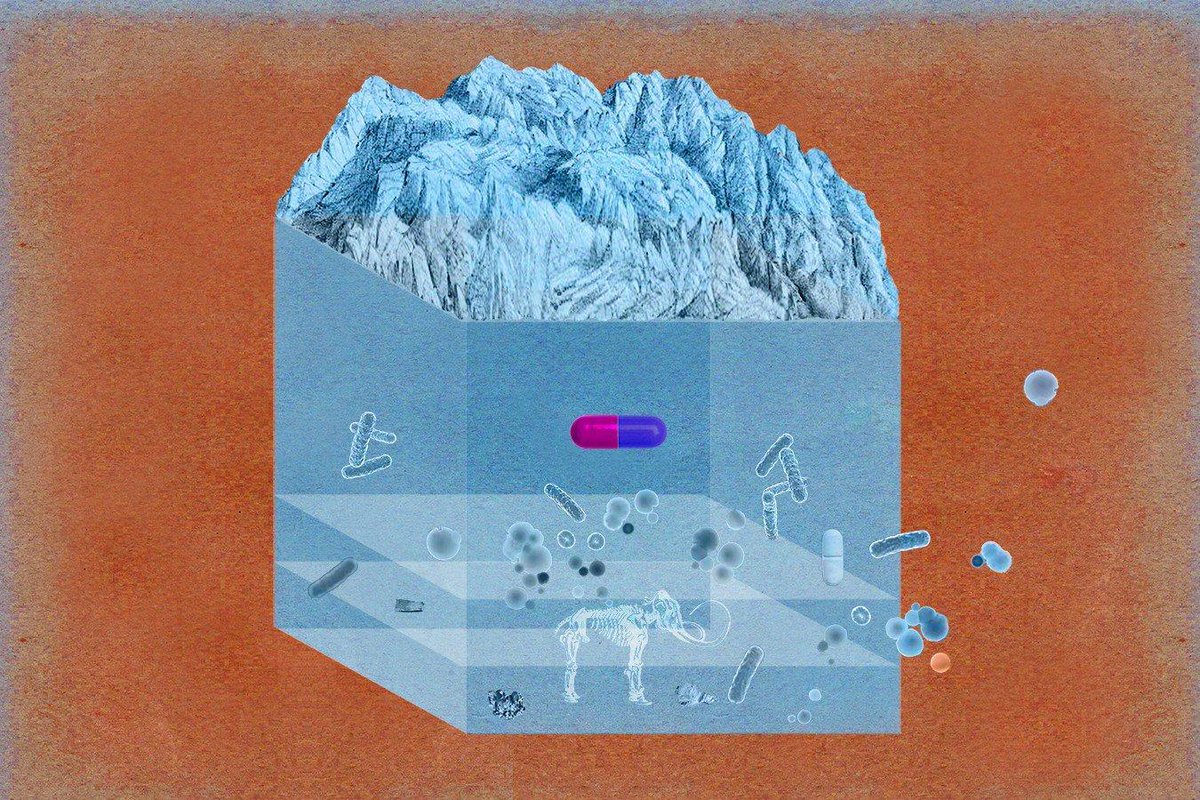
New Scientist reports that antibiotic-resistant bacteria are escaping from frozen sediments as the world warms.
The findings came from a KRAS-driven cancer model in mice, Medical Xpress reports. Why female and male mice had different tumor responses remains unclear.
The Guardian examines the significance of the UK’s suppressed climate national security report. A user sharing the explainer highlights building food resilience as a priority.
A post places the planet 63 light-years from Earth and claims its magnetic field is 2,500 times stronger than Earth's.

One post argues that scientific breakthroughs can save lives, while people have limited time to enjoy an expanding supply of games.
NatSciChannel describes the newly named fossil animal as looking like “a feather duster stuck in an ice cream cone.”


