








/AI3d ago

On the Dwarkesh Podcast, Alex Imas and Philip Trammell analyze optimal taxation and scarcity in a post-AGI economy

AI Judge changed title after evaluation, original title: "Researcher Alex Imas argues high uncertainty makes scenario modeling better than timeline forecasts for predicting AGI's economic impact"

They outline how non-AI nations can capture economic gains.

22421812.1K
Original post
Dwarkesh Patel@dwarkesh_sp#70inAI

Economics of AGI episode w Alex Imas and Phil Trammell.

There's a bunch of important questions about how we deal with AI that only economics can answer.

What is the optimal way to tax and redistribute the wealth that will be generated? How should countries not in the AI supply chain index into the gains? Is there any world where inequality doesn't explode?

It might seem like these questions have obvious answers, but the first thing economics teaches you is that your intuitions can often be entirely wrong.

It was very helpful to chat through these things with Alex and Phil.

Look up Dwarkesh Podcast on Apple Podcasts, YouTube, or Spotify. Enjoy!

00:00:00 – Will capital share increase? 00:19:36 – Messy Middle scenario 00:25:57 – How to tax and redistribute AI wealth 00:30:02 – Why demand collapse is unlikely 00:39:26 – Human employees would be hard to integrate into the machine economy 00:43:08 – What if some humans (or AIs) value wealth accumulation intrinsically? 01:01:28 – What should developing countries do?


9:38 AM · Jun 4, 2026 · 147.2K Views
Sentiment

Many users praised Dwarkesh Podcast episodes on AGI taxation and inequality for their insightful discussions while some dismissed AGI as unrealistic or opposed proposed taxes and redistribution as socialist or harmful to tech.

Pos
88.0%
Neg
12.0%
24 comments with sentiment.
Cluster Engagement
Posts from X
Most Activity
Most Activity
VIEWS68KBOOKMARKS194LIKES318RETWEETS52REPLIES12
Alex Imas@alexolegimas

Really enjoyed this episode. Thanks to @dwarkesh_sp and @pawtrammell for the conversation. What I hope that I was able to convey that it is incredibly difficult to make predictions when there is so much uncertainty: there is not just uncertainty around the parameters, but even what model to use in the first place.

In my view, the best application of economics to our current moment is not trying to individually forecast scenarios 5 or 10 years out (though aggregate forecasts are useful). There is way too much uncertainty at every level of the exercise. It’s to model important scenarios and work our way backwards: start with a potential scenario that are important to consider and then derive the conditions under which it can arise. This not only allows you to potentially rule out a very intuitive-sounding scenarios because the conditions required are implausible.

It also points to data that you need to track which you were not considering before. Eg latent demand for human involvement, substitution between AI and human interaction, task bundling inside jobs, AI bottlenecks, and whether AI looks more like electricity or social media. This is the type of data I’m working to collect, and I know other teams are too.

The last point is particularly important. To quote Demis Hassabis, we are potentially at the foothills of the singular. As economists we have the responsibility to guide that transition with both humility and the best information we can gather.

Dwarkesh Patel@dwarkesh_sp

Economics of AGI episode w Alex Imas and Phil Trammell.

There's a bunch of important questions about how we deal with AI that only economics can answer.

What is the optimal way to tax and redistribute the wealth that will be generated? How should countries not in the AI supply chain index into the gains? Is there any world where inequality doesn't explode?

It might seem like these questions have obvious answers, but the first thing economics teaches you is that your intuitions can often be entirely wrong.

It was very helpful to chat through these things with Alex and Phil.

Look up Dwarkesh Podcast on Apple Podcasts, YouTube, or Spotify. Enjoy!

00:00:00 – Will capital share increase? 00:19:36 – Messy Middle scenario 00:25:57 – How to tax and redistribute AI wealth 00:30:02 – Why demand collapse is unlikely 00:39:26 – Human employees would be hard to integrate into the machine economy 00:43:08 – What if some humans (or AIs) value wealth accumulation intrinsically? 01:01:28 – What should developing countries do?

3dViews 68KLikes 318Bookmarks 194
Shane Legg@ShaneLegg

A great interview with our new Director of AGI Economics @alexolegimas and the economist @pawtrammell. It's a good antidote to some of the overly simplistic narratives about the economics of AGI.

Dwarkesh Patel@dwarkesh_sp

Economics of AGI episode w Alex Imas and Phil Trammell.

There's a bunch of important questions about how we deal with AI that only economics can answer.

What is the optimal way to tax and redistribute the wealth that will be generated? How should countries not in the AI supply chain index into the gains? Is there any world where inequality doesn't explode?

It might seem like these questions have obvious answers, but the first thing economics teaches you is that your intuitions can often be entirely wrong.

It was very helpful to chat through these things with Alex and Phil.

Look up Dwarkesh Podcast on Apple Podcasts, YouTube, or Spotify. Enjoy!

00:00:00 – Will capital share increase? 00:19:36 – Messy Middle scenario 00:25:57 – How to tax and redistribute AI wealth 00:30:02 – Why demand collapse is unlikely 00:39:26 – Human employees would be hard to integrate into the machine economy 00:43:08 – What if some humans (or AIs) value wealth accumulation intrinsically? 01:01:28 – What should developing countries do?

2dViews 20.6KLikes 174Bookmarks 75
Philip Trammell@pawtrammell

Thanks both, it was a fun conversation!

Dwarkesh Patel@dwarkesh_sp

Economics of AGI episode w Alex Imas and Phil Trammell.

There's a bunch of important questions about how we deal with AI that only economics can answer.

What is the optimal way to tax and redistribute the wealth that will be generated? How should countries not in the AI supply chain index into the gains? Is there any world where inequality doesn't explode?

It might seem like these questions have obvious answers, but the first thing economics teaches you is that your intuitions can often be entirely wrong.

It was very helpful to chat through these things with Alex and Phil.

Look up Dwarkesh Podcast on Apple Podcasts, YouTube, or Spotify. Enjoy!

00:00:00 – Will capital share increase? 00:19:36 – Messy Middle scenario 00:25:57 – How to tax and redistribute AI wealth 00:30:02 – Why demand collapse is unlikely 00:39:26 – Human employees would be hard to integrate into the machine economy 00:43:08 – What if some humans (or AIs) value wealth accumulation intrinsically? 01:01:28 – What should developing countries do?

3dViews 19.1KLikes 58Bookmarks 27
Dwarkesh Patel@dwarkesh_sp

Full episode on the economics of AGI:

Dwarkesh Patel@dwarkesh_sp

Economics of AGI episode w Alex Imas and Phil Trammell.

There's a bunch of important questions about how we deal with AI that only economics can answer.

What is the optimal way to tax and redistribute the wealth that will be generated? How should countries not in the AI supply chain index into the gains? Is there any world where inequality doesn't explode?

It might seem like these questions have obvious answers, but the first thing economics teaches you is that your intuitions can often be entirely wrong.

It was very helpful to chat through these things with Alex and Phil.

Look up Dwarkesh Podcast on Apple Podcasts, YouTube, or Spotify. Enjoy!

00:00:00 – Will capital share increase? 00:19:36 – Messy Middle scenario 00:25:57 – How to tax and redistribute AI wealth 00:30:02 – Why demand collapse is unlikely 00:39:26 – Human employees would be hard to integrate into the machine economy 00:43:08 – What if some humans (or AIs) value wealth accumulation intrinsically? 01:01:28 – What should developing countries do?
1dViews 12.1KLikes 24Bookmarks 18

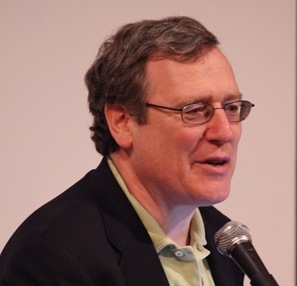
An incredible conversation featuring Alex Imas about the future of scarcity economics and the relational sector.

Dwarkesh Patel@dwarkesh_sp

Economics of AGI episode w Alex Imas and Phil Trammell.

There's a bunch of important questions about how we deal with AI that only economics can answer.

What is the optimal way to tax and redistribute the wealth that will be generated? How should countries not in the AI supply chain index into the gains? Is there any world where inequality doesn't explode?

It might seem like these questions have obvious answers, but the first thing economics teaches you is that your intuitions can often be entirely wrong.

It was very helpful to chat through these things with Alex and Phil.

Look up Dwarkesh Podcast on Apple Podcasts, YouTube, or Spotify. Enjoy!

00:00:00 – Will capital share increase? 00:19:36 – Messy Middle scenario 00:25:57 – How to tax and redistribute AI wealth 00:30:02 – Why demand collapse is unlikely 00:39:26 – Human employees would be hard to integrate into the machine economy 00:43:08 – What if some humans (or AIs) value wealth accumulation intrinsically? 01:01:28 – What should developing countries do?

3dViews 6.2KLikes 33Bookmarks 14
Andy Masley@AndyMasley

Excited for this

Dwarkesh Patel@dwarkesh_sp

Economics of AGI episode w Alex Imas and Phil Trammell.

There's a bunch of important questions about how we deal with AI that only economics can answer.

What is the optimal way to tax and redistribute the wealth that will be generated? How should countries not in the AI supply chain index into the gains? Is there any world where inequality doesn't explode?

It might seem like these questions have obvious answers, but the first thing economics teaches you is that your intuitions can often be entirely wrong.

It was very helpful to chat through these things with Alex and Phil.

Look up Dwarkesh Podcast on Apple Podcasts, YouTube, or Spotify. Enjoy!

00:00:00 – Will capital share increase? 00:19:36 – Messy Middle scenario 00:25:57 – How to tax and redistribute AI wealth 00:30:02 – Why demand collapse is unlikely 00:39:26 – Human employees would be hard to integrate into the machine economy 00:43:08 – What if some humans (or AIs) value wealth accumulation intrinsically? 01:01:28 – What should developing countries do?

3dViews 1.9KLikes 23Bookmarks 6
Ben Thomas@Ben_Thomas_o7

The first podcast I'm disappointed to see is *only* 75min. What about 4hr? 10hr? I'll make time.

Dwarkesh Patel@dwarkesh_sp

Economics of AGI episode w Alex Imas and Phil Trammell.

There's a bunch of important questions about how we deal with AI that only economics can answer.

What is the optimal way to tax and redistribute the wealth that will be generated? How should countries not in the AI supply chain index into the gains? Is there any world where inequality doesn't explode?

It might seem like these questions have obvious answers, but the first thing economics teaches you is that your intuitions can often be entirely wrong.

It was very helpful to chat through these things with Alex and Phil.

Look up Dwarkesh Podcast on Apple Podcasts, YouTube, or Spotify. Enjoy!

00:00:00 – Will capital share increase? 00:19:36 – Messy Middle scenario 00:25:57 – How to tax and redistribute AI wealth 00:30:02 – Why demand collapse is unlikely 00:39:26 – Human employees would be hard to integrate into the machine economy 00:43:08 – What if some humans (or AIs) value wealth accumulation intrinsically? 01:01:28 – What should developing countries do?

3dViews 1.7KLikes 19Bookmarks 4

@dwarkesh_sp Similar topic in a recent Stanford talk that was very informative. https://www.youtube.com/watch?v=xBpGn3BDcOY&t=3s

2dViews 242Bookmarks 2
Alex Imas@alexolegimas

@ShaneLegg @pawtrammell Thank you Shane!

Shane Legg@ShaneLegg

A great interview with our new Director of AGI Economics @alexolegimas and the economist @pawtrammell. It's a good antidote to some of the overly simplistic narratives about the economics of AGI.

2dViews 717Likes 5Bookmarks 1
Arpit Gupta@arpitrage

@alexolegimas @dwarkesh_sp @pawtrammell A very nice episode!

3dViews 1.2KLikes 5
Alien@alienorg

@ShaneLegg @alexolegimas @pawtrammell the simplistic narrative is "AI replaces workers" the harder question is who owns the value chain when the training data came from those same workers and they were never compensated

2dViews 292Likes 10
Andrew Jonelis@AndrewJonelis

Amazing way to consider future economics of AGI from @alexolegimas at the end: will it be like electricity or social media? Everyone uses it, but are benefits dispersed to downstream users or concentrated at the platforms?

Dwarkesh Patel@dwarkesh_sp

Economics of AGI episode w Alex Imas and Phil Trammell.

There's a bunch of important questions about how we deal with AI that only economics can answer.

What is the optimal way to tax and redistribute the wealth that will be generated? How should countries not in the AI supply chain index into the gains? Is there any world where inequality doesn't explode?

It might seem like these questions have obvious answers, but the first thing economics teaches you is that your intuitions can often be entirely wrong.

It was very helpful to chat through these things with Alex and Phil.

Look up Dwarkesh Podcast on Apple Podcasts, YouTube, or Spotify. Enjoy!

00:00:00 – Will capital share increase? 00:19:36 – Messy Middle scenario 00:25:57 – How to tax and redistribute AI wealth 00:30:02 – Why demand collapse is unlikely 00:39:26 – Human employees would be hard to integrate into the machine economy 00:43:08 – What if some humans (or AIs) value wealth accumulation intrinsically? 01:01:28 – What should developing countries do?

2dViews 1.4KLikes 4Bookmarks 0
Alex Imas@alexolegimas

@GonHuertas @dwarkesh_sp @pawtrammell 🙏🙏I tried.

3dViews 200Bookmarks 1
wonk.blog 💡@wonk_blog

@dwarkesh_sp @tylercowen this is extremely basic econ 101. like with anything you just want pigovian taxes, land value taxes, and UBI. increased economic activity will be capitalized into land which is already an efficient thing to tax.

3dViews 174Bookmarks 1
@Steven_Strauss@Steven_Strauss

@dwarkesh_sp @readwise save

3dViews 472Likes 1
Alex Imas@alexolegimas

foothills of the *singularity!

3dViews 1.4KLikes 4
David Iach@davidiach

@dwarkesh_sp Very good episode, should have been 3 hours long.

3dViews 361Likes 5
Bia@BeatrizGietner

@dwarkesh_sp OMG

3dViews 233Likes 5
Philip Trammell@pawtrammell

(But as I'm sure often happens, we got a bit more into the weeds in person than made it into the published pod. So hopefully this one's pretty accessible, and looking forward to continuing such conversations!)

3dViews 419Likes 4
MachineSovereign@VizierPrime

@dwarkesh_sp The AGI redistribution debate is still mostly trapped at the wage/income layer.

The harder problem is legitimacy: wages were not just payment, but the institution that explained why people deserved a place.

3dViews 248
Load more posts