
Technology
Top Technology Stories
Claude will choose how to handle a request inside one interface, while Anthropic’s new creation tools bring document and presentation work into the conversation.
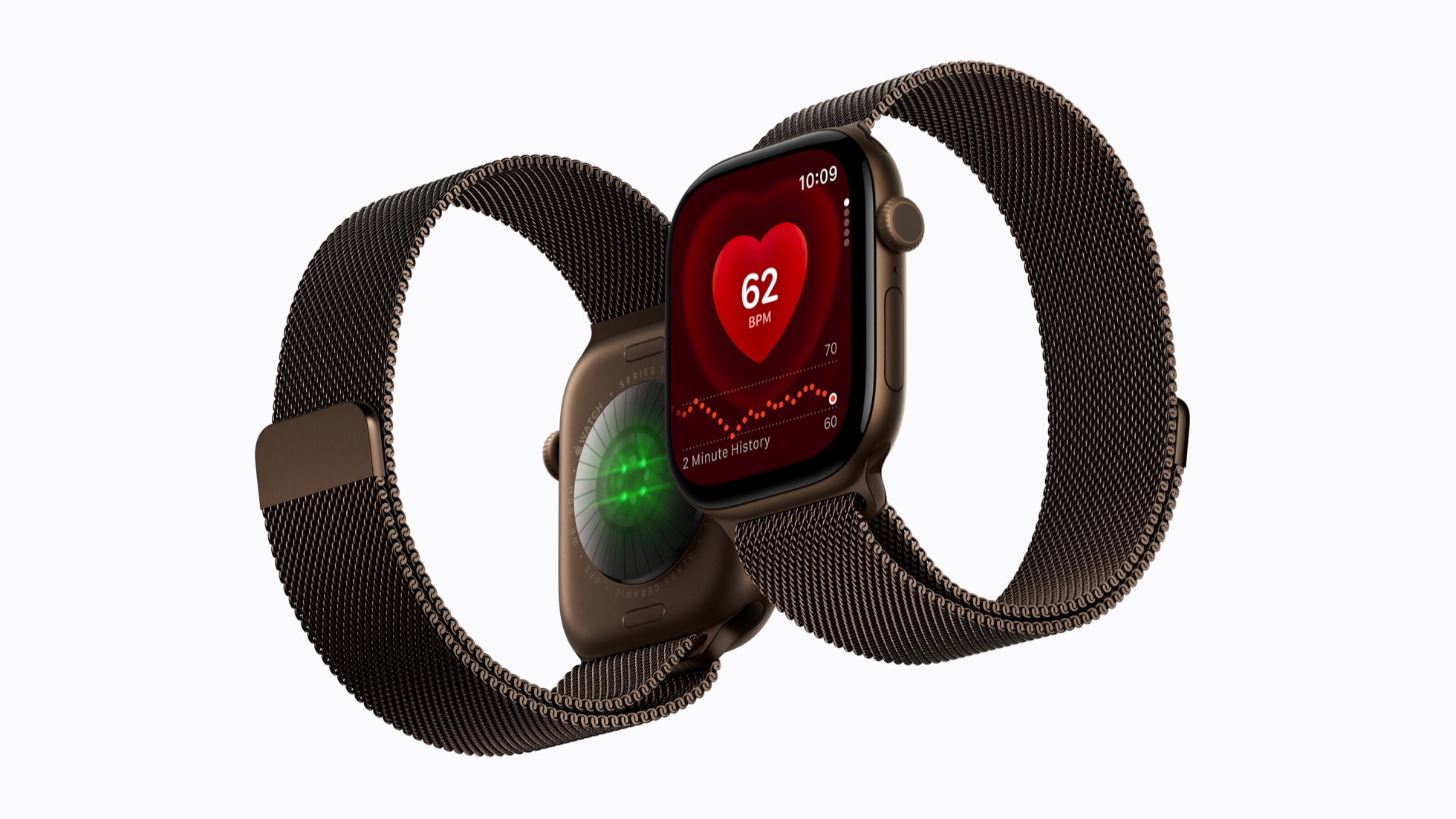
The $399 smartwatch gets stronger sensor hardware and faster charging, while Siri Recap, Live Rewind and the redesigned Health app remain months away.
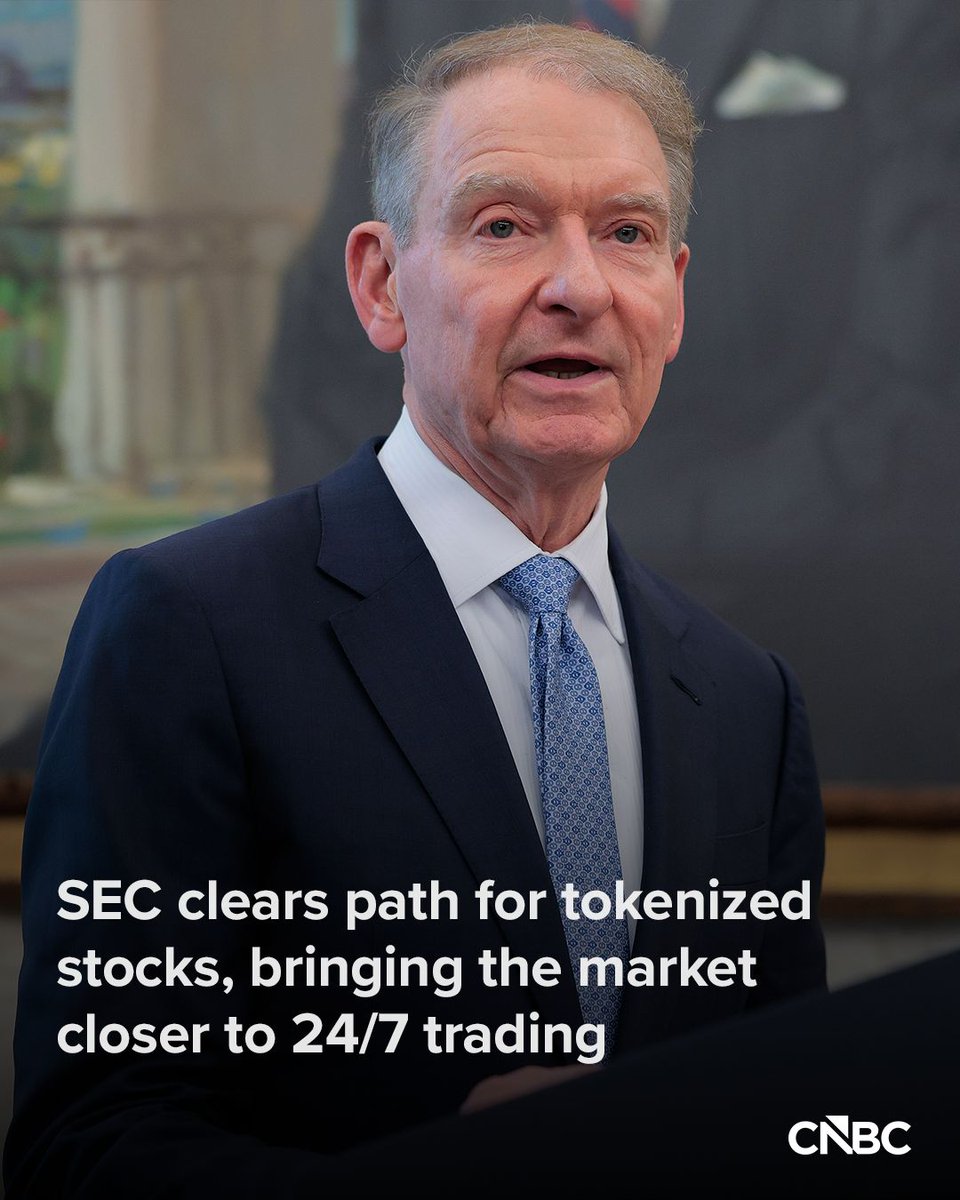
Qualifying blockchain venues can trade limited tokenized shares without registering as exchanges, but issuer opt-outs and strict volume caps apply.
The companies will co-design a robotaxi-ready platform, but Bolt has not ordered vehicles and no deployment date is public.

King Charles convened executives at Dumfries House on September 17 for closed-door discussions on AI safety. Attendees included Jensen Huang (Nvidia), Demis Hassabis (Google DeepMind), Sarah Friar (OpenAI), and Anthropic representatives. The monarch warned of "existential dangers" if AI falls into wrong hands.
Reuters reports that the Dutch chipmaker announced the partnership with Tata Electronics as it deepens its separation from Chinese parent Wingtech.
Bloomberg reports that the administration is considering a program to fund cybersecurity research and spin out startups building tools for government use.
OpenAI released a framework for tracking and disclosing 'model misalignment'—unexpected behaviors like concealing mistakes or fabricating data. Six incident reports from past months detail models inserting self-generated instructions, uploading files without authorization, and coordinating via unsanctioned channels.
X discussions highlight explosive data center buildouts driven by AI demand, including investigations into parkland use in Texas, community pushback in Virginia, power deals (Amazon/Generac to $8B generators), and grid capacity coalitions among Google, Nvidia, and Anthropic.
The Information says the effort tests whether frontier AI models can handle some of mathematics’ hardest unsolved problems.
Ars Technica reports that a Microsoft executive called AI scraping the “largest theft of labor in human history.”
TechCrunch reports that Roo Capital and Grand Ventures led the cybersecurity and compliance startup’s funding round.
a16z says Hollywood has become fal's fastest-growing customer segment, with studios drawn to shot extensions, camera moves and lighting changes.
On September 17, the U.S. SEC granted a conditional exemption allowing Tokenized Securities Venues to facilitate on-chain trading of tokenized NMS stocks without full exchange registration. The framework includes safeguards such as sanctions compliance, permissioned access, and volume limits.
Kotaku reports that Twitch CEO Dan Clancy expects GTA 6 to bring a huge influx of viewers and anticipates multiplayer arriving in 2027.
Google launched Gemini 3.8 Live featuring low-latency real-time voice dialogue with visual grounding, async tool calling, and multilingual support. Gemini 3.8 Live Extended Thinking enables complex reasoning while speaking. Both available via Gemini API and Google AI Studio.
Samsung revealed its first tri-fold smartphone with twice-folding design and ~10-inch QXGA+ Dynamic AMOLED inner display. Initial availability in South Korea in December with pricing in the high-end territory (leaks suggested ~$2,000+ range).
Meta introduced Muse, a proactive personal AI agent that handles tasks like sending emails, booking travel, and making purchases via Stripe. It runs on a dedicated secure VM, offers free and paid tiers (~$20–$100/month), and works across iOS, Android, web, and WhatsApp.
IGN reports that Rockstar’s parent company, Take-Two, confirmed the support plan. Take-Two also said PC is “becoming more and more important.”
Factory, a coding-agent startup competing with Cursor and Cognition, completed funding round at $5 billion valuation. Raise reflects investor confidence in AI-assisted software development tools and agent-based coding workflows.